Can the Diaspora or Foreigners Buy Shares on the Neway ESX Trading App?
If you live outside Ethiopia, the Ethiopian Securities Exchange (ESX) looks like a way to invest in the country’s growth. The first question is whether you can even open an account and buy through the Neway app.
The short answer: it isn’t clear yet, and the rules are still being written. Foreign participation is allowed in principle, but the detailed framework is a draft that regulators published for public comment on September 29, 2026. We found no official ESX statement saying you can register in Neway from abroad, and store reviews suggest it doesn’t work.
This guide separates what’s confirmed from what isn’t, explains what the draft proposes, and shows you how to find out for your own situation without risking money. It’s an information guide, not legal or tax advice.
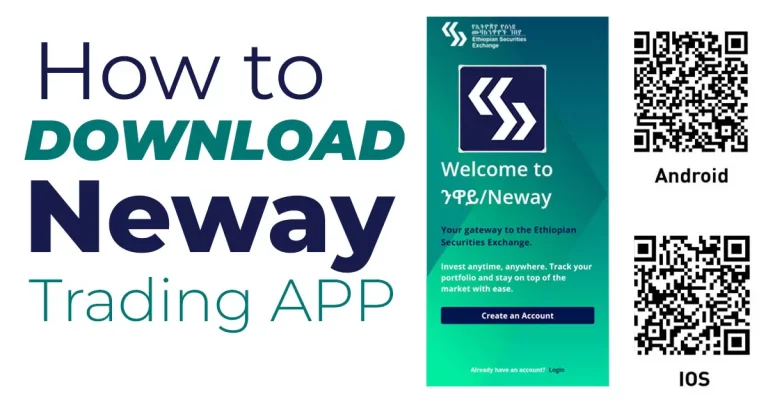
If you haven’t looked at how the app works, start with our Neway download guide and trading guide.
What is confirmed
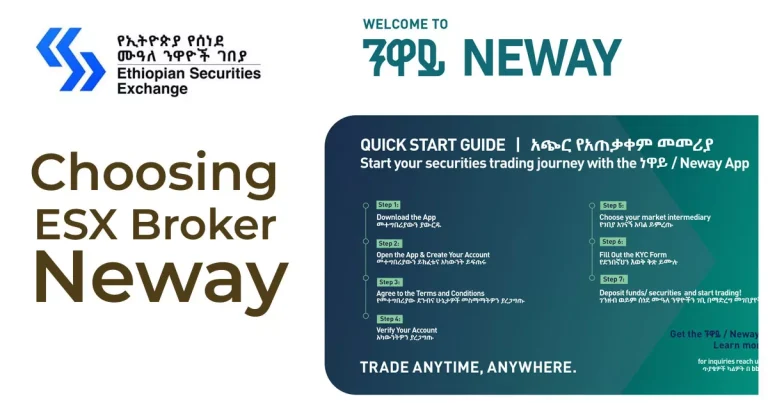
- You need a licensed broker. Individuals can’t trade on ESX directly. Orders go through licensed trading members, and reports say foreign investors must also use one. See our guide to choosing a broker (add the link once live).
- The exchange is designed to welcome foreign participation. Foreign institutions, including Nigeria’s NGX Group, are among ESX’s shareholders, and officials have repeatedly said foreign capital is wanted.
- Ethiopia’s foreign exchange directive (FXD/01/2024) covers foreign portfolio investment and the repatriation of profits and dividends by registered foreign investors. Law-firm summaries say it also sets limits and conditions, including minimum holding periods, for portfolio investors.
- Everything trades in birr. Share prices on ESX are in Ethiopian birr, so foreign investors face currency risk.
What the new draft rules propose
On September 29, 2026, ECMA’s website listed a draft Foreign Portfolio Investment Regulation for public consultation. According to a September 30 report, it would:
- Cap all foreign portfolio investors combined at 30% of a listed company’s paid-up capital.
- Cap any single foreign investor (including affiliates) at 10%, with up to 15% for certain institutional investors with prior approval.
- Require foreign portfolio investment to come from outside Ethiopia.
- Add a 5% disclosure threshold for foreign holdings in listed companies.
- Let the central bank restrict or delay repatriation temporarily during severe foreign exchange shortages or financial stress.
- Allow eligible foreign investors to buy shares, government and corporate debt, money-market instruments, fund units and other approved securities.
This is a draft. It can change before it becomes final. Read ECMA’s laws and regulations page for the current text.
What is still unclear
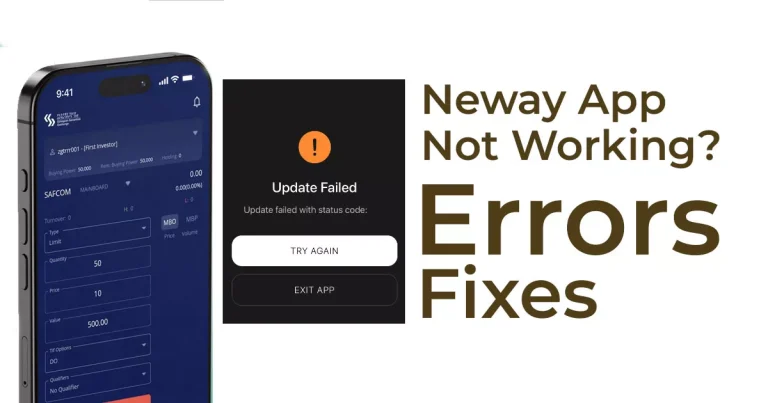
- Whether you can register in Neway from abroad. We found no official statement either way. In May 2026 an App Store reviewer abroad said account creation wouldn’t complete after filling everything in, and other guides report the app only works for investors in Ethiopia.
- How the diaspora is classified. Ethiopian rules distinguish “non-resident Ethiopians” (nationals living and working abroad for more than a year) and “non-resident foreign nationals of Ethiopian origin” (people holding an Ethiopian Origin ID). We couldn’t confirm how either group is treated for ESX purposes, or whether they count as “foreign investors” under the draft.
- The ceiling for bank shares. One legal guide says aggregate foreign ownership of a domestic bank can’t exceed 49%. Another report mentions 40% for banking. Check the current figure, because six of the seven companies on ESX are banks.
- How money can enter and leave. What documents prove your funds came from abroad, which accounts brokers accept, and how dividends or sale proceeds can be sent out.
- Which brokers accept non-resident clients, and by what process.
Sources disagree on timing, too. A December 2025 announcement said ECMA had finalised a directive for foreign participation, while later reports described it as awaiting government approval, and the draft now out for consultation is a newer document. That mix is why you should verify before acting.
Which group are you in?
Rules and processes may differ, so work out your category and ask brokers using these terms:
- Ethiopian citizen living in Ethiopia. The standard Neway process applies. See our other guides.
- Ethiopian citizen living abroad (non-resident Ethiopian). Ask whether you can open an account remotely, and whether your funds must come through a foreign-currency or diaspora account.
- Foreign national of Ethiopian origin. Ask how your Ethiopian Origin ID counts, and which documents are needed.
- Other foreign individual. Ask whether non-resident individuals can open accounts at all today.
- Foreign company or fund. Institutional rules, registration and disclosure will matter most. Take professional advice.
Money: getting in and getting out
- Currency risk is real. You invest in birr. If the birr falls against your home currency, your returns shrink even if the share price rises.
- Repatriation is not automatic. The draft allows temporary restrictions, and existing rules involve central bank procedures. Ask in advance how dividends and sale proceeds can be transferred out, how long it takes, and what paperwork you need.
- Keep records of every transfer. Save bank advices, SWIFT confirmations and receipts. You may need them later to show your funds came from abroad.
- Fees add up. Ask about exchange rates used, transfer fees and broker charges.
- Taxes at home. Your country of residence may require you to report or pay tax on foreign investments. Speak to a tax professional there.
Scam warning for people abroad
Fraudsters target the diaspora with fake “ESX investment” offers. Walk away if anyone:
- Asks you to send money to a personal bank account or mobile wallet.
- Promises guaranteed or fixed returns.
- Says they’ll “manage your Neway account” for you.
- Pressures you to move quickly.
- Isn’t on ESX’s official trading members list.
Be careful about informal arrangements too. If a relative buys shares in their own name on your behalf, you may have little legal protection or no clear ownership claim.
A safe way to find out
- Work out your category from the list above.
- Pick two or three licensed brokers and contact them directly using the contact details on ESX’s page.
- Ask the questions below and get the answers in writing.
- Don’t send money until a licensed broker confirms in writing that you can open an account and how funds are handled.
- Start small if you do go ahead, and keep every record.
- Watch the rules. The draft may change, so check ECMA’s page again before you commit.
Questions to send a broker
Hello, I live outside Ethiopia and I’m interested in buying shares on the Ethiopian Securities Exchange. I am [an Ethiopian citizen living abroad / a foreign national of Ethiopian origin / a foreign national]. Please tell me: (1) whether you currently open accounts for non-resident individuals; (2) how I can register and complete identity checks from abroad, and whether the Neway app can be used; (3) which documents you need; (4) how I can send money in, in what currency, and what proof of origin you require; (5) how dividends and sale proceeds can be sent back out, how long it takes and what approvals apply; (6) all fees, including conversion and transfer costs; and (7) whether any ownership limits could affect me. Thank you.
Frequently asked questions
Can foreigners buy shares on the ESX?
In principle, yes, through a licensed broker, but the detailed rules are still being drafted. The draft regulation published September 29, 2026 would set caps and conditions.
Can I use Neway from abroad?
We found no official confirmation that you can. A reviewer abroad reported that registration wouldn’t complete. Ask a broker before relying on it.
Is there a cap on foreign ownership?
The draft proposes 30% combined and 10% for a single investor in a listed company. Banks have their own ceilings, and sources differ on whether it’s 40% or 49%, so check.
Can I take my money out?
The draft and existing rules allow repatriation under conditions, but authorities can restrict or delay it in tough foreign exchange conditions. Ask first.
Does the Ethiopian diaspora get special treatment?
Ethiopian rules recognize diaspora categories for bank accounts, but we couldn’t confirm any special treatment for ESX investing.
Can a relative buy for me?
Informal arrangements carry legal and ownership risks. Take proper advice before doing this.
Will this page be updated?
Yes. We’ll revise it when ECMA publishes the final regulation.
Sources
- ECMA: Laws and regulation (draft Foreign Portfolio Investment Regulation)
- FSX Business: Ethiopia proposes 30% cap on foreign holdings (September 30, 2026)
- Chambers: Investing in Ethiopia 2026
- National Bank of Ethiopia: Foreign Exchange Directive FXD/01/2024
- ESX trading members
- Neway on the App Store (user reviews)
Important
This guide is general information only. It is not legal, tax or investment advice. Capital251 is independent and is not affiliated with ESX, ECMA, the National Bank of Ethiopia or any broker. Foreign investment rules are changing, and details here may be out of date by the time you read them. Confirm everything with a licensed broker, the regulators and a qualified adviser before sending money.