Development Bank of Ethiopia (DBE) plans to issue green and Sharia-compliant Sukuk bonds next year
Source: https://birrmetrics.com/
The Development Bank of Ethiopia (DBE) plans to issue green and Sharia-compliant Sukuk bonds next year as part of a broader effort to diversify its funding base and reduce reliance on traditional sources of capital, the bank’s president said during a parliamentary review of its nine-month performance.
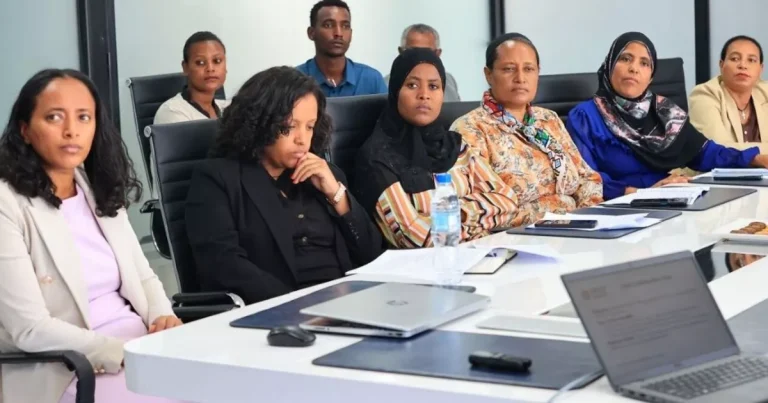
Appearing before the Standing Committee on Government Development Enterprises Affairs of the House of Peoples’ Representatives, DBE President Isayas Kassa (PhD) said the state-owned policy bank is pursuing a range of reforms aimed at strengthening capital mobilisation, modernising operations and expanding access to development finance.
The planned bond issuances come as the bank faces a funding gap following the discontinuation of a long-standing mechanism under which commercial banks, insurers and pension funds were required to purchase DBE bonds.
“Since December 2025, that source has stopped, meaning the bank currently has no permanent source of funding,” Isayas told lawmakers.
To address the challenge, DBE is developing a comprehensive resource mobilisation strategy that includes recapitalisation, increased loan recovery efforts, external financing and access to Ethiopia’s emerging capital market.
The bank is also seeking accreditation from the Green Climate Fund (GCF), a United Nations-backed climate finance facility, which could unlock access to international climate-related financing. Isayas said the bank has submitted an application after preparing more than 100 policy and procedural documents required for accreditation.
In parallel, DBE has joined initiatives linked to global climate finance networks and is preparing to launch green financing instruments. The bank is working with international partners, including support facilitated through the United Nations Development Programme, to develop its capital market capabilities.
“We expect to issue two bonds next year, a green bond and a Sukuk bond,” Isayas told lawmakers.
The Ethiopian Capital Market Authority (ECMA), Ethiopian Securities Exchange (ESX) and FSD Ethiopia have been working on frameworks to support sustainable securities, including green, social, sustainability and sustainability-linked instruments. The framework introduced guidelines, documentation requirements and listing rules aimed at creating a pathway for future issuers.
Hana Tehelku, director general of the Ethiopian Capital Market Authority (ECMA), previously told Birrmetrics that the authority was finalising the necessary documentation for sustainable financial instruments, with the products expected to be introduced ahead of COP32.
The bank has also received support from development finance institutions. According to the president, DBE recently secured about 130 million US dollars in financing support through the Ethiopian Investment Holdings framework and is engaging with other lenders, including the African Development Bank, to mobilise additional resources.
Alongside funding reforms, DBE is undertaking a technology upgrade. The bank has updated its core banking system and expects the new platform to become operational shortly. It is also introducing an online project-tracking system that will allow borrowers to monitor the status of loan applications while enabling management to track project approvals and implementation in real time.
The reforms extend to human capital development. Isayas said the bank is investing in staff training, leadership development and organisational culture programmes with support from international development partners. An e-learning platform is also being introduced to strengthen employee skills and professional development.
Lawmakers used the review session to question bank executives on issues including capital budget utilisation, strategies to reduce non-performing loans, foreign exchange access, green finance initiatives, technological modernisation and disputes involving leased land in some regional states.
The committee also sought explanations on how the bank intends to balance profitability with its development mandate and expand financing to projects capable of generating employment and supporting priority sectors.
Responding to questions on foreign currency access, Isayas said development partner financing rather than export-generated foreign exchange should remain the bank’s primary source of foreign currency. He noted that the bank has established a dedicated external fund mobilisation structure led at vice-presidential level to attract international financing.
The president said DBE is also expanding wholesale lending operations, under which funds are channelled through commercial banks and microfinance institutions. Development partners increasingly favour this model because it allows financing to reach a wider range of private sector borrowers.
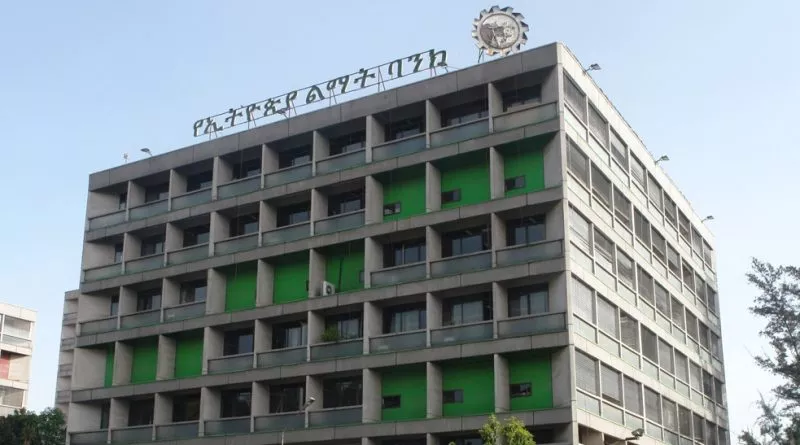
Founded more than a century ago, DBE remains Ethiopia’s principal development finance institution, providing long-term financing to sectors including manufacturing, agriculture, infrastructure and exports.
Melesse Mena, chairperson of the parliamentary standing committee, said the bank had presented a transparent report and developed plans that address existing institutional weaknesses. He added that the committee expects the reform programme to help strengthen the bank’s performance and contribution to national development.
The move comes as DBE reported stronger financial performance during the first nine months of the 2018 Ethiopian fiscal year, generating 17.3 billion birr in revenue, exceeding its target by 12 percent.
The bank also recovered 19.9 billion birr in outstanding loans during the period, achieving 92 percent of its recovery target. Lawmakers described the result as progress in addressing the institution’s long-standing non-performing loan challenges.
DBE’s net capital reached 44.5 billion birr, while its non-performing loan ratio stood at 13.4 percent, below the 15 percent regulatory ceiling set by the National Bank of Ethiopia.
Credit extended by the bank contributed to the creation of about 38,000 jobs during the period, mainly through lease-financing programmes supporting youth-led manufacturing enterprises.